Unpredictable Stillness
R Can you tell us a bit about your background and how you came to painting?
MW I grew up in Tashkent, Uzbekistan, at a time when it was still part of the Soviet Union. Since I was a very young child, I loved drawing very much. I used to draw all the time. When I was 14, I went to art school where I learned the basics, academic drawing, still life, landscapes, but pretty soon I started to feel limited by it. Around the age of 15, I came across a Polish art magazine that featured American abstract expressionism. That was a turning point. It opened up a completely different way of thinking about painting, and I became fascinated by abstraction, its energy, freedom, and the focus on process rather than representation.
R When and why did you decide to work under a pseudonym?
MW I began using a pseudonym M.Weiss in 2015. That decision came at a time when I made a conscious shift in my practice. I wanted to step away from what I had done before and explore a different direction, something more personal and intuitive. The name helped me mark that change and start fresh.
R What themes or ideas are you exploring in this body of work?
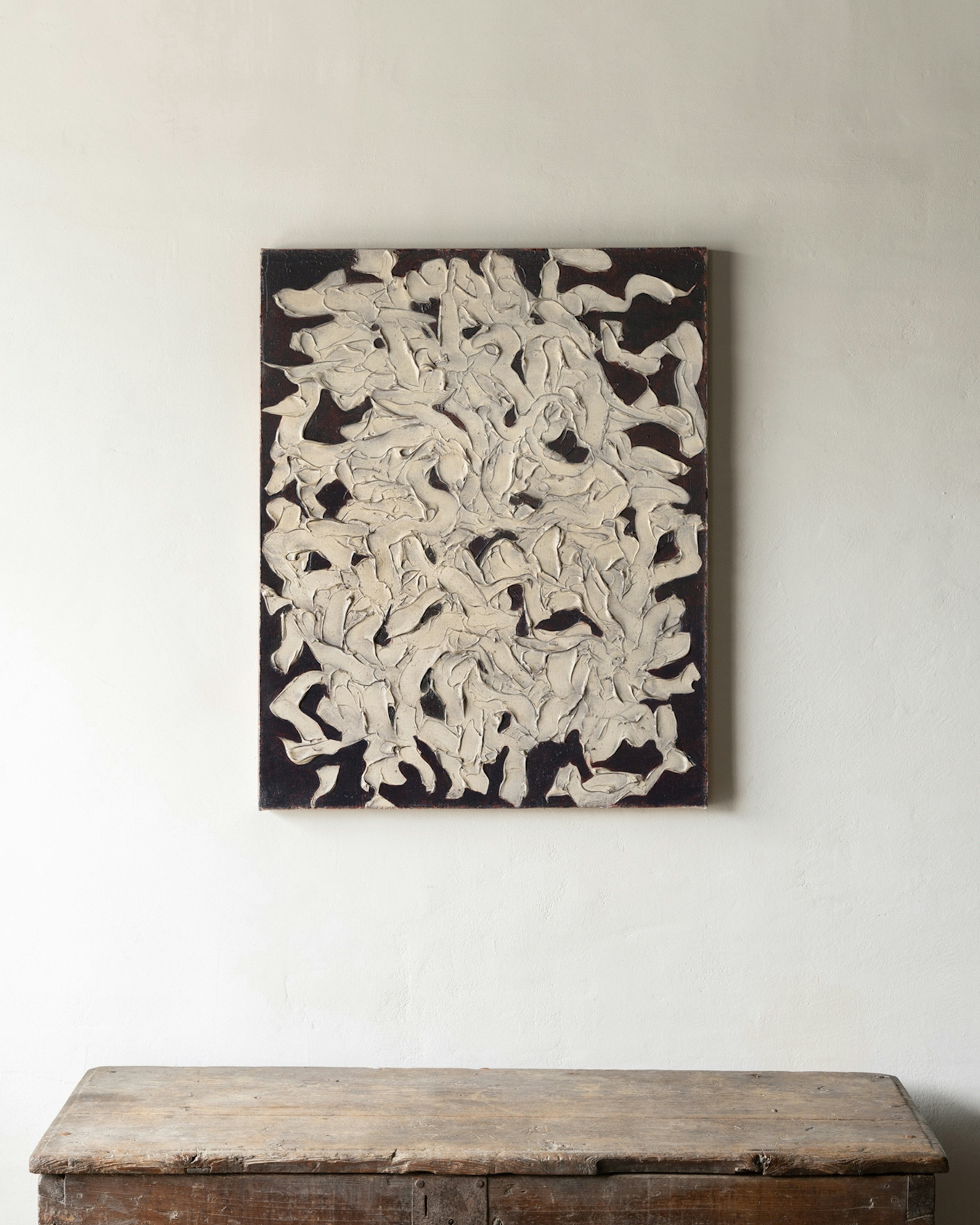
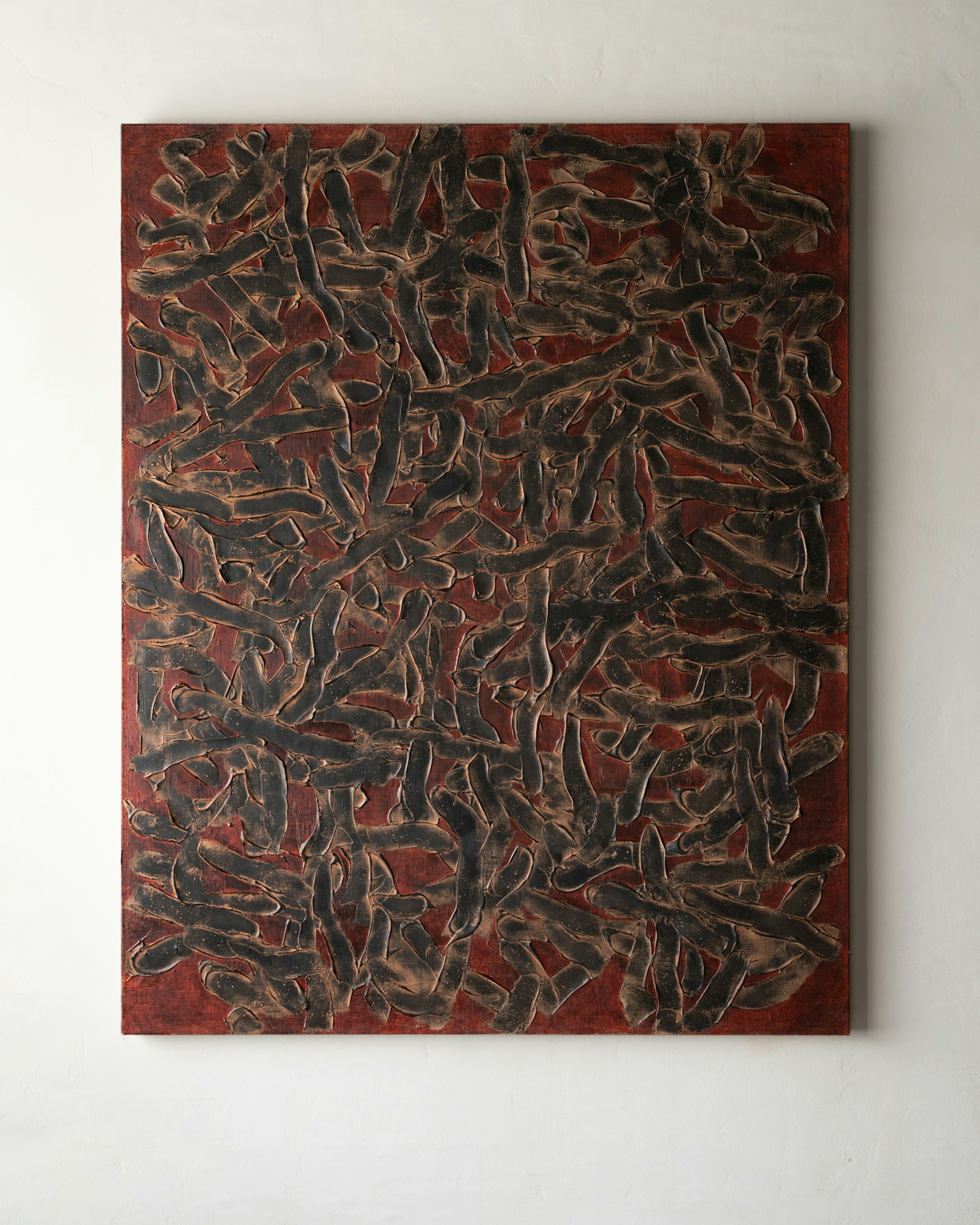
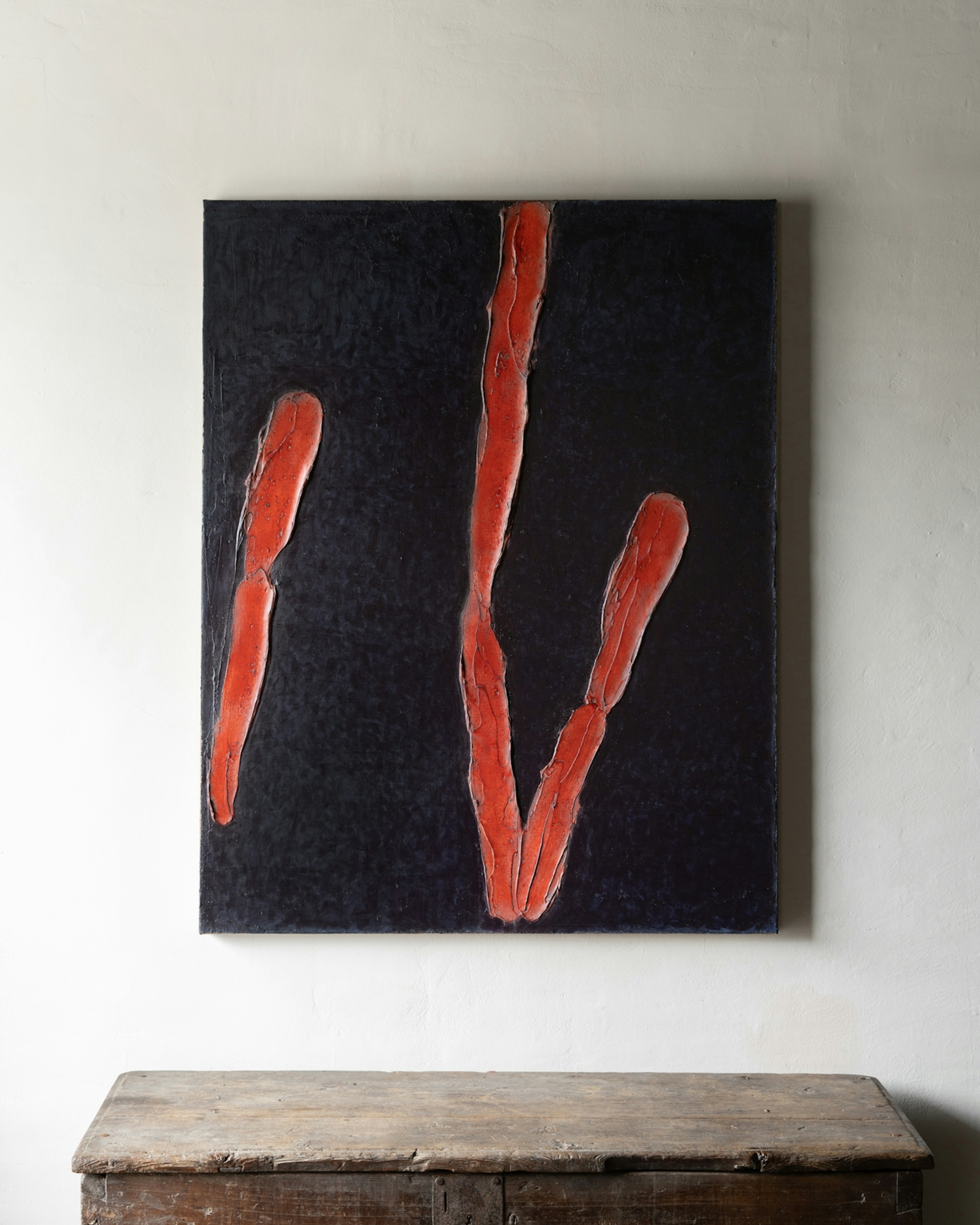
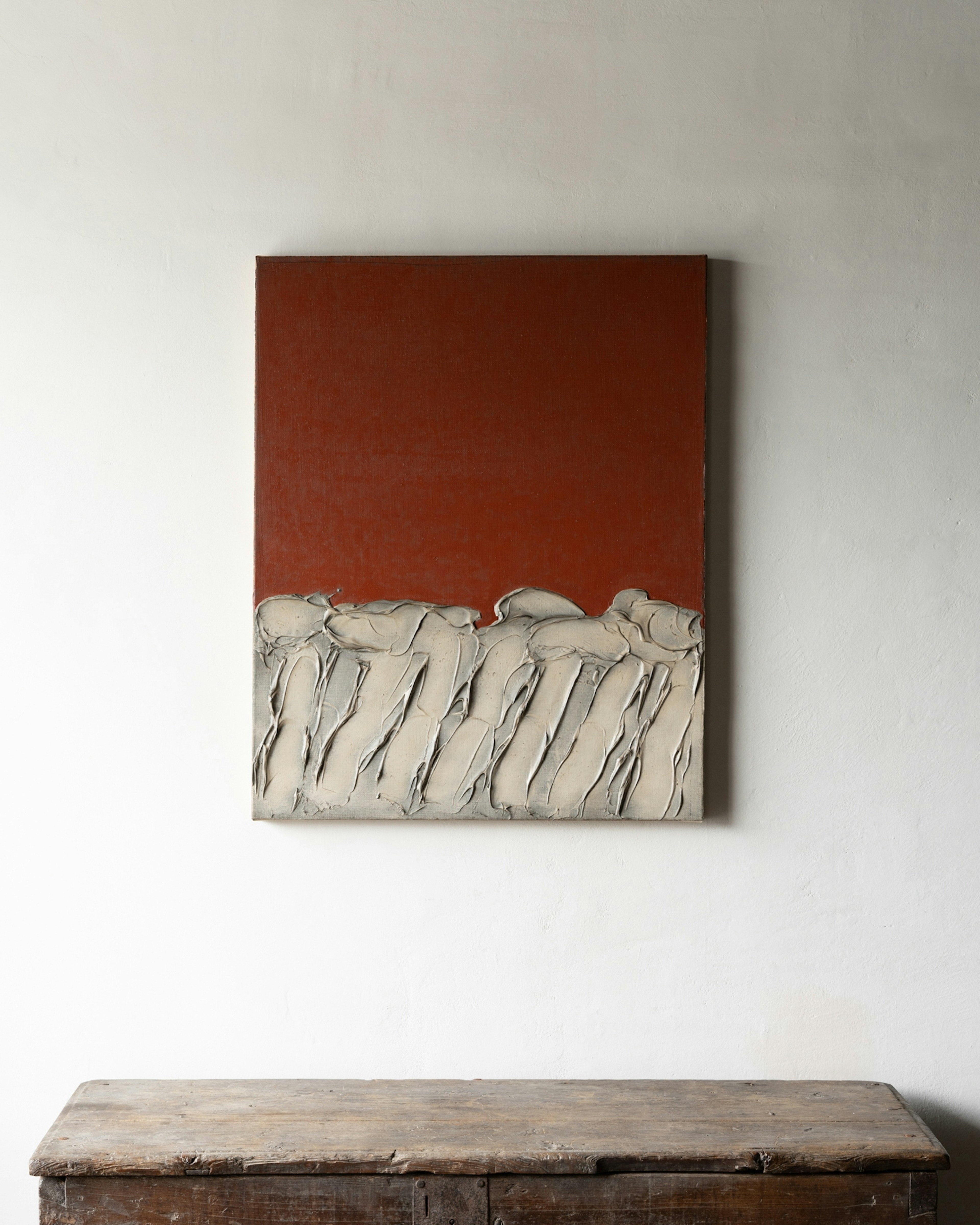
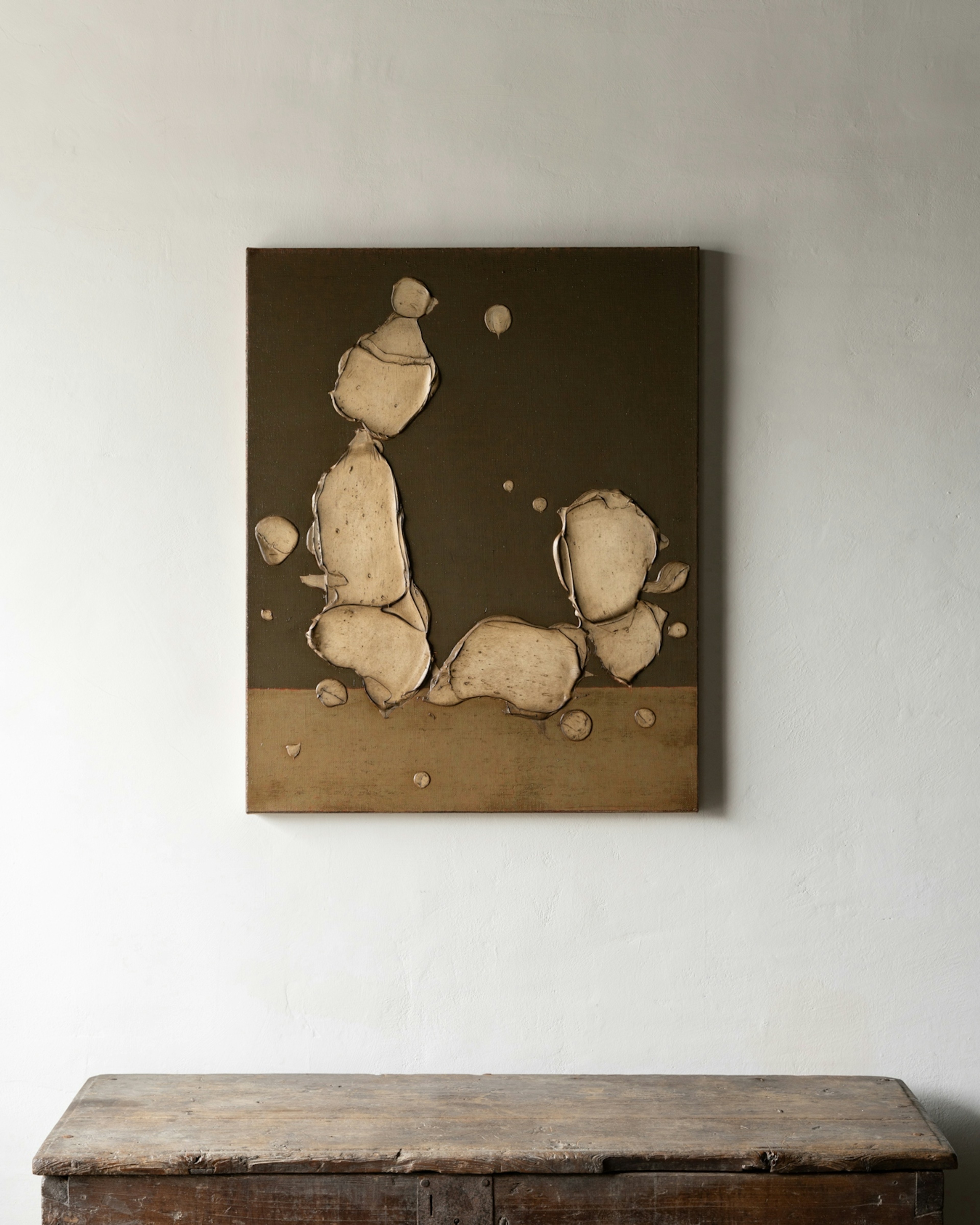
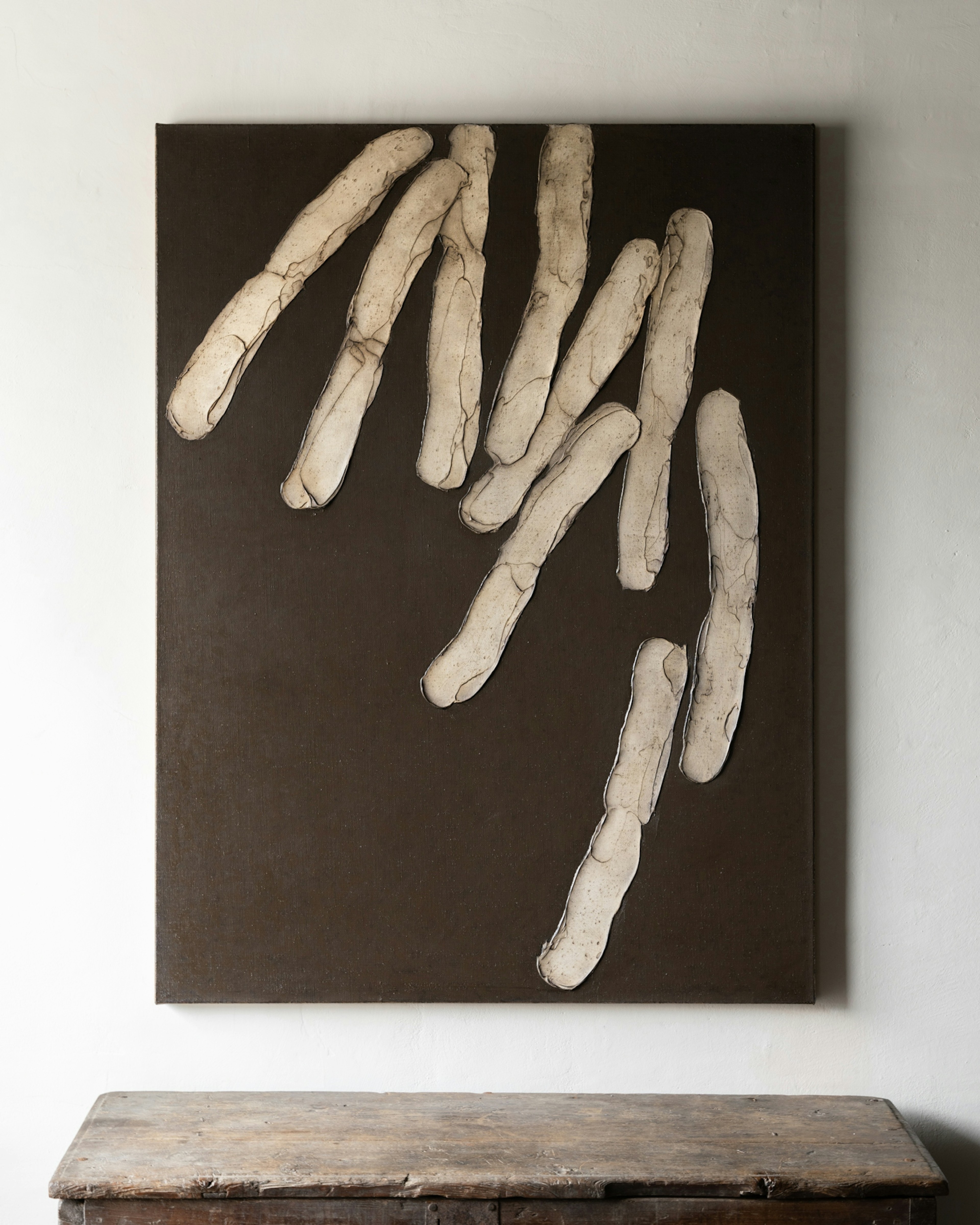
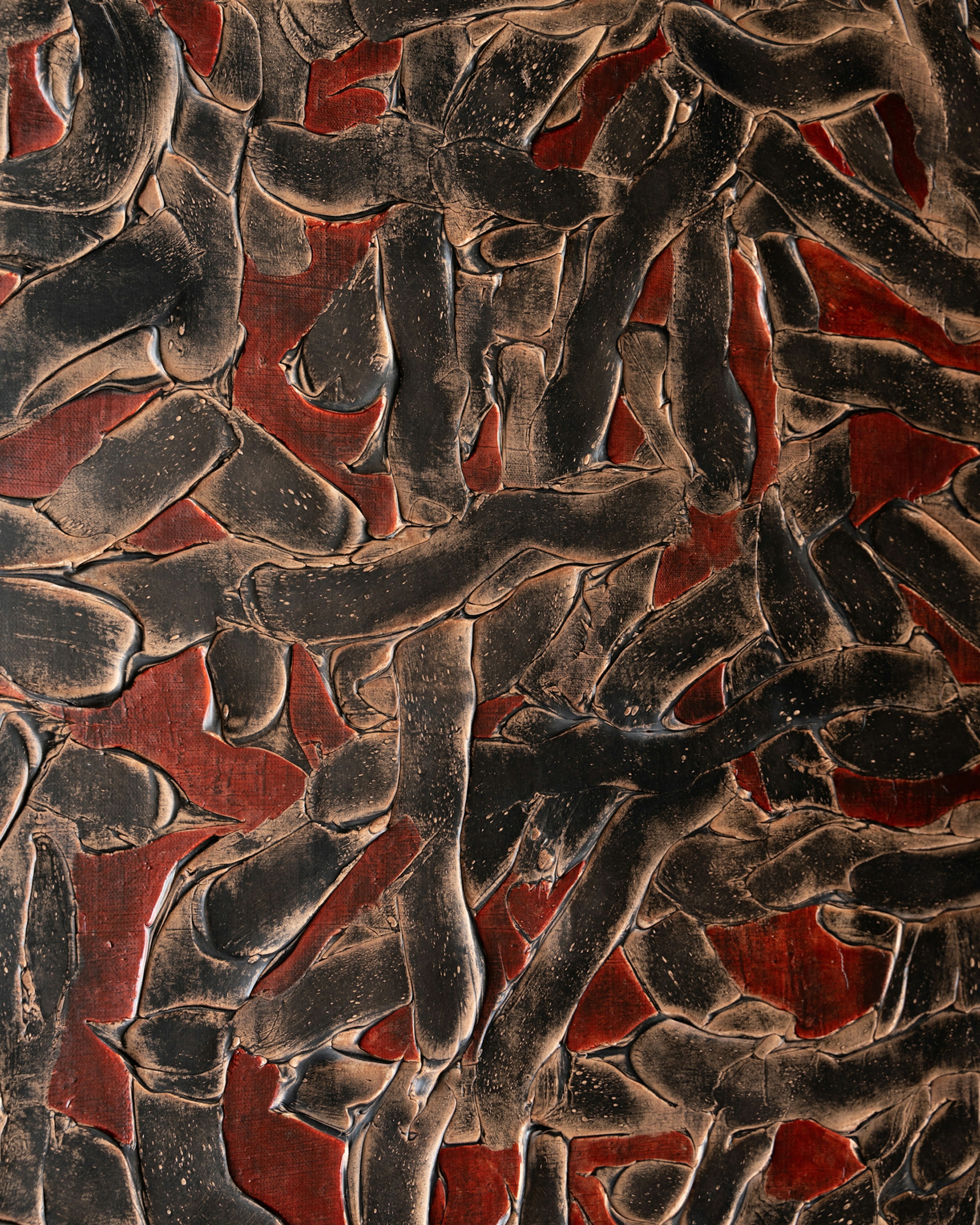
MW I’m mostly interested in texture, repetition, and how simple gestures can carry emotion. There’s also a focus on stillness, not in a peaceful way, but more like a pause or a moment of tension. I try to leave space for the viewer to bring their own meaning into the work. It’s not about telling a story, but more about creating a certain feeling or atmosphere.
R Your work seems to push the boundaries between painting and sculpture. How do you decide where one ends and the other begins?
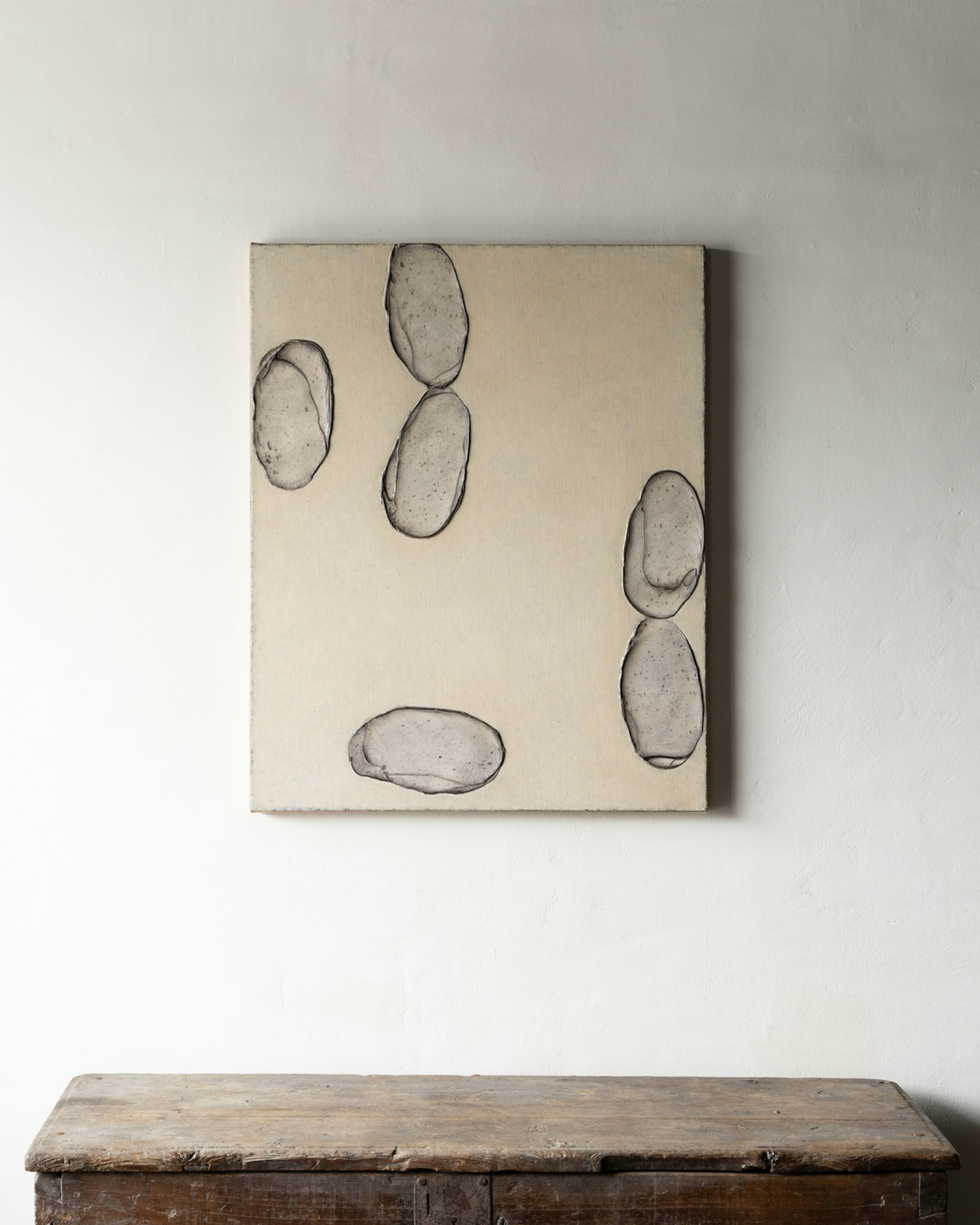
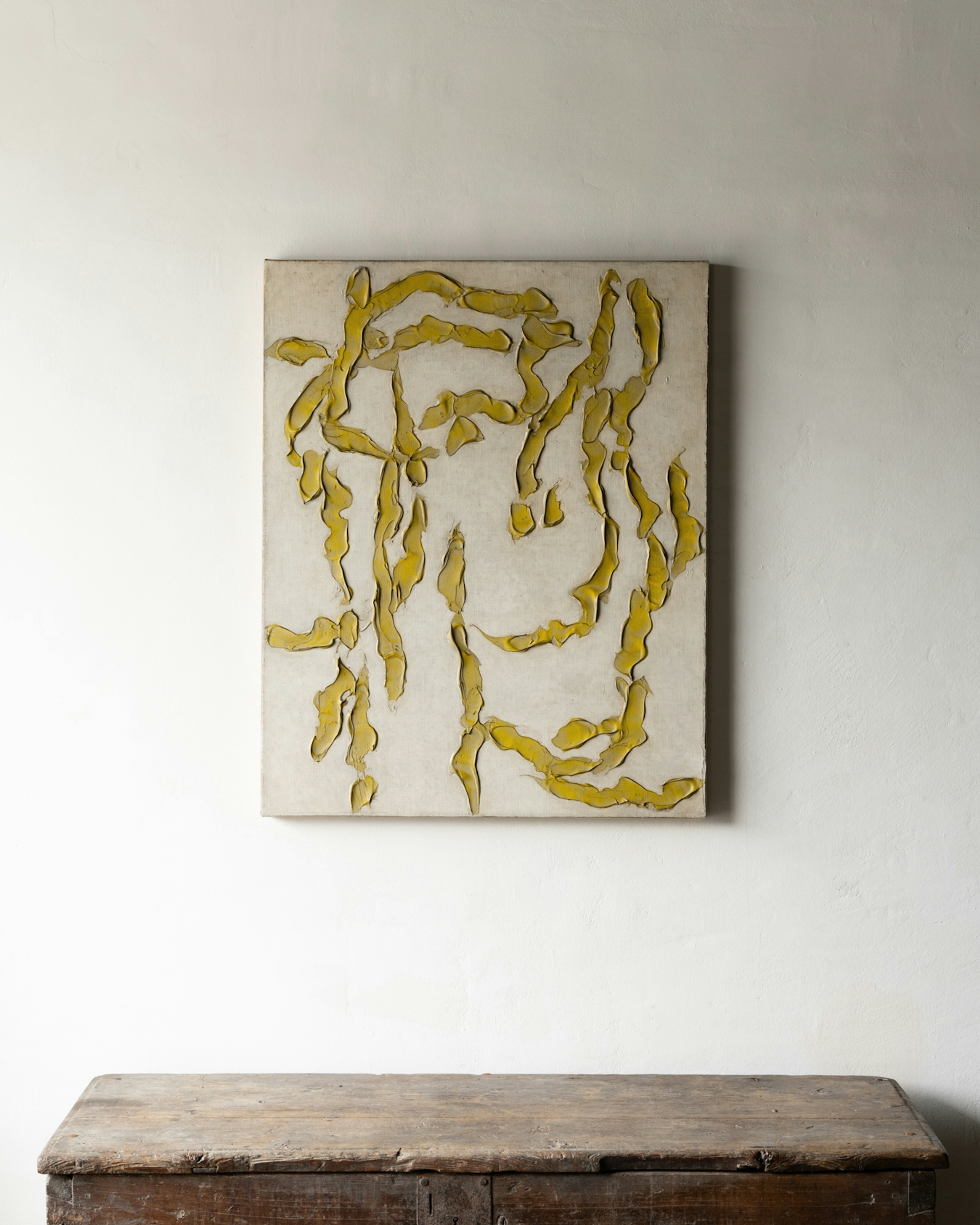
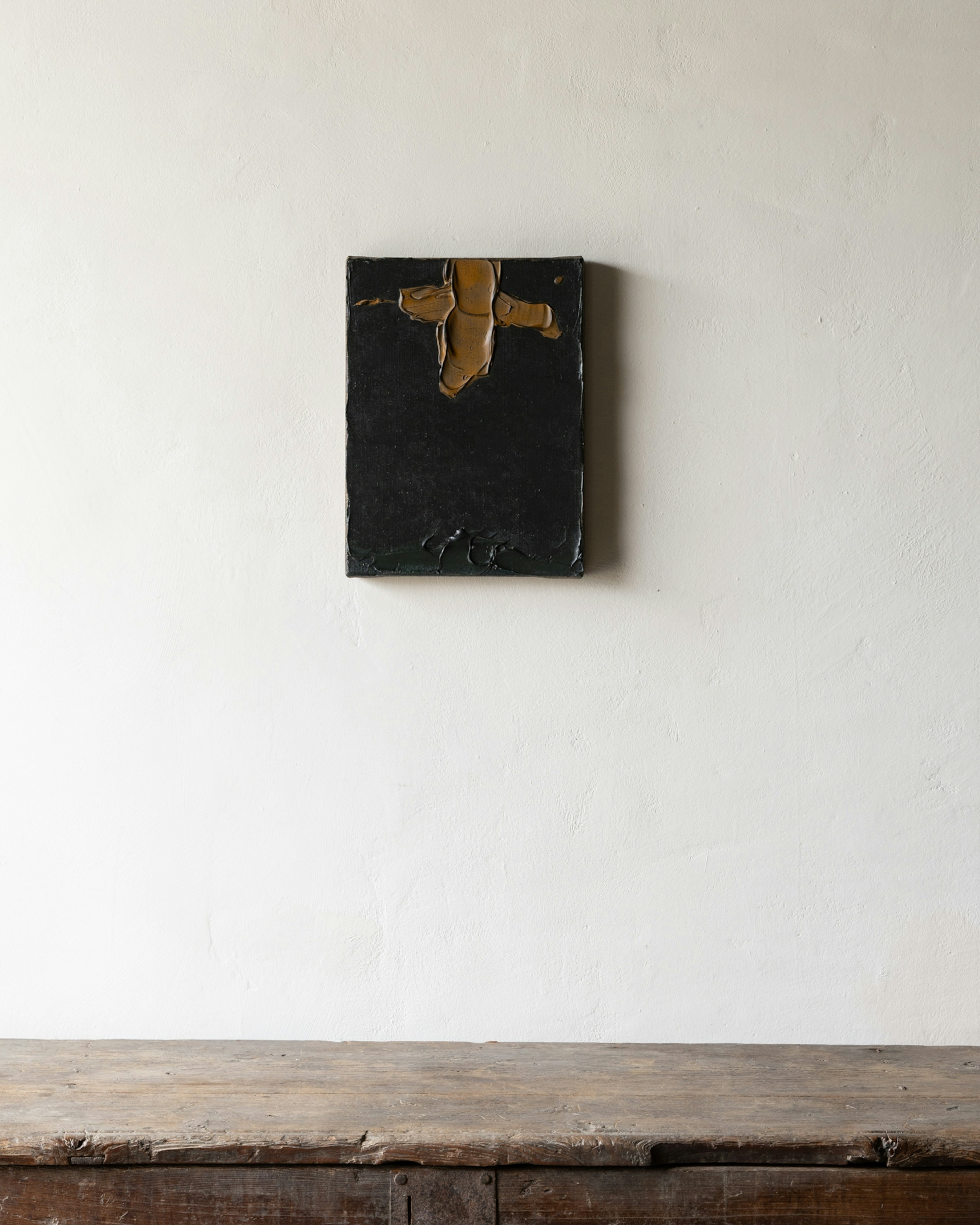
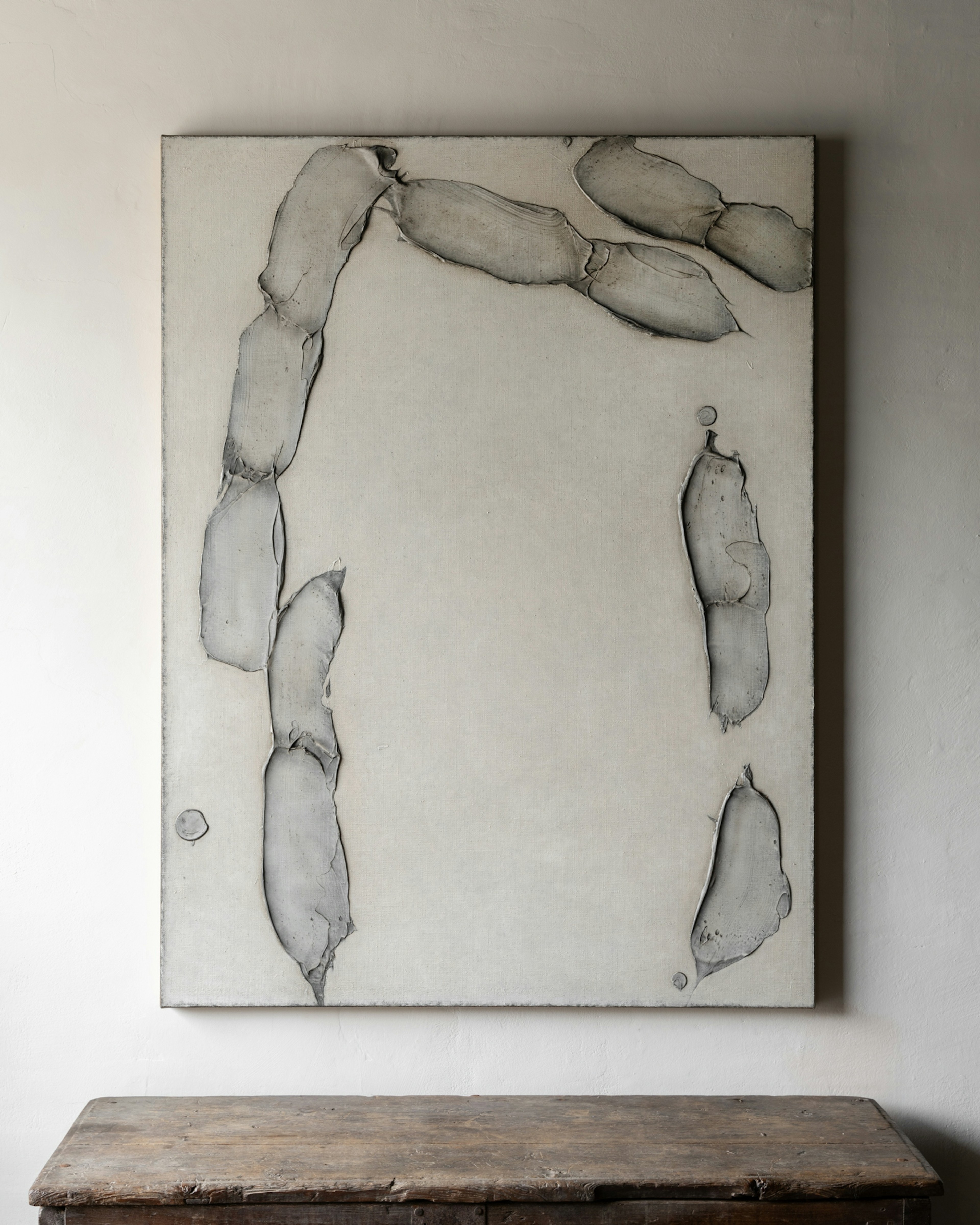
MW Even though the surfaces are textured and tactile, I still consider what I do to be painting. The materials I use - canvas, pigment, binder, and the way I approach composition and surface all come from a painter’s mindset. The relief, for me, is just another way to bring presence and physicality to the image, not to shift into sculpture, but to let the painting feel more alive. It’s still very much two-dimensional work, just one that acknowledges its own body a bit more.
R What role does restraint play in your work? The empty space feels as important as the forms themselves.
MW Restraint is important in my process. I try not to overload the surface, I leave space on purpose, so the texture or gesture has room to breathe. Often, it’s about knowing when to stop, even if the work feels unfinished. That empty space becomes part of the composition, it helps balance the heavier, more active areas.
R How do you know when a painting is done, especially when so much of it seems built on subtlety and ambiguity?
MW It’s more about a feeling than a clear decision. At some point, the painting stops asking for more, anything I add would just get in the way. A lot of it comes down to knowing when to step back and leave it alone, even if it feels unresolved. Sometimes that tension is exactly what makes it feel finished.
900 N. Lamar Blvd Austin, TX 78703